Canine Hepatic Loaf
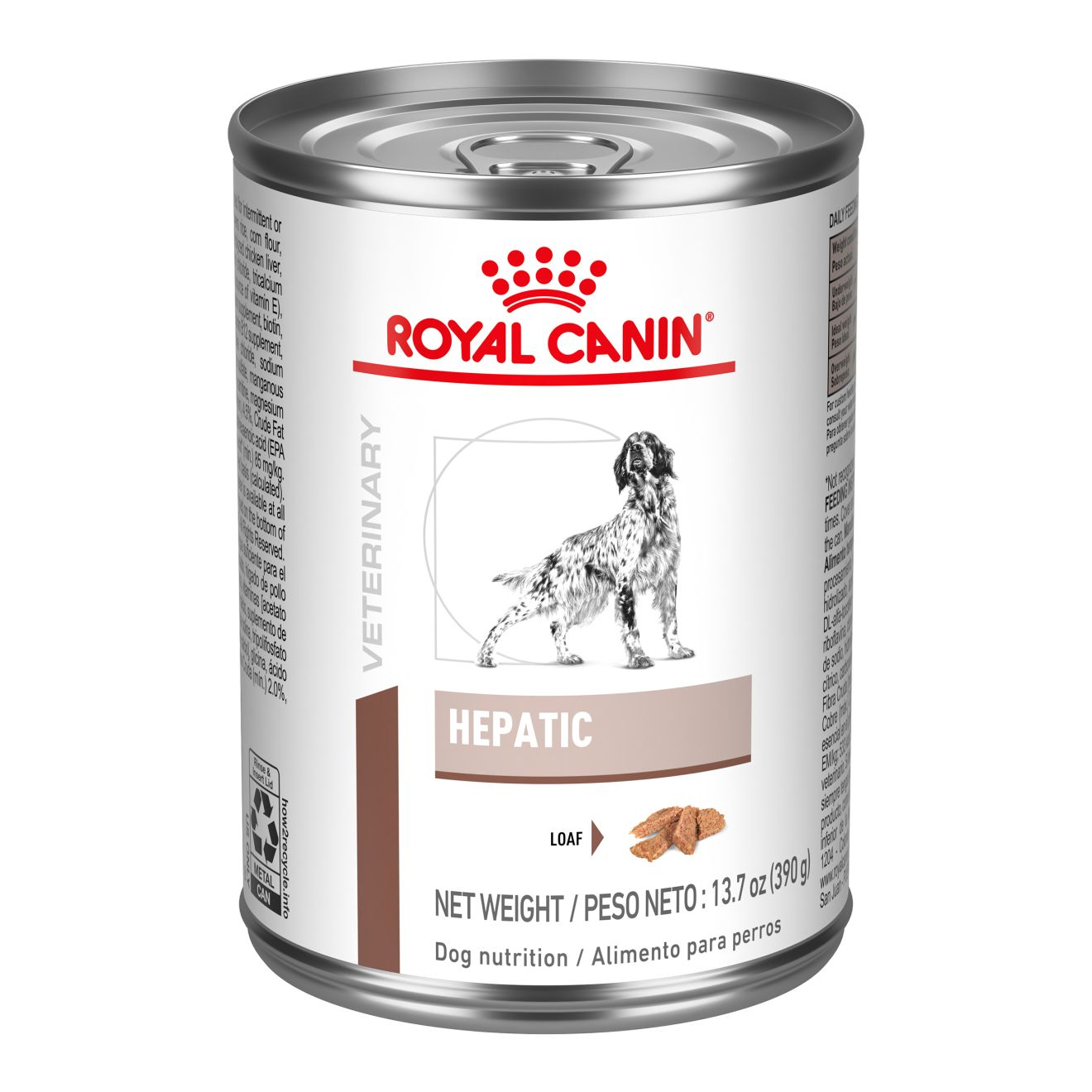
by Royal Canin
Overall Score: 43/100
Ingredients
- Water sufficient for processing (other)
- brewers rice (carbohydrate)
- corn flour (other)
- chicken liver (protein)
- pork by-products (protein)
- chicken (protein)
- corn grits (other)
- powdered cellulose (fiber)
- fish oil (protein)
- hydrolyzed chicken liver (protein)
- vegetable oil (other)
- natural flavors (additive)
- dried plain beet pulp (fiber)
- calcium carbonate (mineral)
- potassium chloride (mineral)
- tricalcium phosphate (other)
- carob bean gum (other)
- carrageenan (additive)
- vitamins[DL-alpha tocopherol acetate (source of vitamin E) (other)
- L-ascorbyl-2-polyphosphate (source of vitamin C) (other)
- thiamine mononitrate (vitamin B1) (other)
- niacin supplement (vitamin)
- biotin (vitamin)
- D-calcium pantothenate (other)
- riboflavin supplement (vitamin)
- pyridoxine hydrochloride (vitamin B6) (other)
- vitamin B12 supplement (vitamin)
- folic acid (vitamin)
- vitamin D3 supplement (vitamin)
- menadione sodium bisulfite complex] (other)
- choline chloride (vitamin)
- sodium tripolyphosphate (other)
- hydrolyzed yeast (other)
- guar gum (additive)
- trace minerals[zinc proteinate (other)
- ferrous sulfate (mineral)
- manganous oxide (other)
- sodium selenite (mineral)
- calcium iodate] (other)
- glycine (other)
- citric acid (preservative)
- sodium carbonate (other)
- taurine (additive)
- L-carnitine (additive)
- magnesium oxide (other)
- marigold extract (Tagetes erecta L.) (other)
Ingredient concerns
- Carrageenan (high concern): Research has shown that both degraded carrageenan (poligeenan) and food-grade carrageenan can promote intestinal inflammation in animal models. Studies have linked carrageenan exposure to intestinal lesions, ulcerations, and colitis-like symptoms in laboratory animals. While the FDA considers food-grade carrageenan safe, concerns remain about degradation during processing and digestion. The Cornucopia Institute petitioned the USDA to remove carrageenan from organic food standards.
- Menadione Sodium Bisulfite Complex (high concern): Menadione (vitamin K3) is a synthetic form of vitamin K that has been banned for use in human dietary supplements in many countries due to toxicity concerns, including potential liver damage, allergic reactions, and cytotoxicity. It can cause oxidative damage to cell membranes. Natural forms of vitamin K (K1 from plants, K2 from bacterial fermentation) are considered safer alternatives. Despite these concerns, it remains widely used in pet food as an inexpensive vitamin K source.
- Sodium Selenite (low concern): Sodium selenite is an inorganic form of selenium with a narrower safety margin than organic forms (such as selenium yeast). It has lower bioavailability and higher potential for toxicity at elevated levels compared to organic selenium sources. Some premium pet foods use selenium yeast instead as a safer alternative.
Guaranteed analysis (dry-matter basis)
On a dry-matter basis (water removed for a fair wet-vs-dry comparison): protein 13.4%, fat 5.9%, fiber 8.3%, ash 7.5%, carbohydrate 64.9%. By calories: 14.5% from protein, 15.5% from fat, 70.1% from carbohydrate.
AAFCO compliance
This food does not meet the AAFCO adult dog nutrient minimums we can verify — protein 13.4% vs 18% minimum, fat 5.9% vs 5.5% minimum.
Wet food, with grains.
Similar products
- Royal Canin Canine Health Nutrition Loaf in Sauce Puppy Dog Wet Food - 5.2 oz — 98/100
- Royal Canin Canine Health Nutrition Puppy Dog Wet Food - 13.5 oz — 98/100
- Royal Canin Canine Care Nutrition Digestive Care Adult Wet Dog Food - 13.5 oz — 96/100
- Royal Canin Veterinary Diet Selected Protein PR Adult Wet Dog Food - Loaf, 13.5 OZ — 95/100
- Royal Canin Veterinary Diet Selected Protein PD Adult Wet Dog Food - Loaf, 13.5 OZ — 95/100
As an Amazon Associate, KibbleWatcher earns from qualifying purchases at no cost to you. Our scoring is independent of any affiliate revenue.