Royal Canin Veterinary Diet Gastrointestinal High Fiber
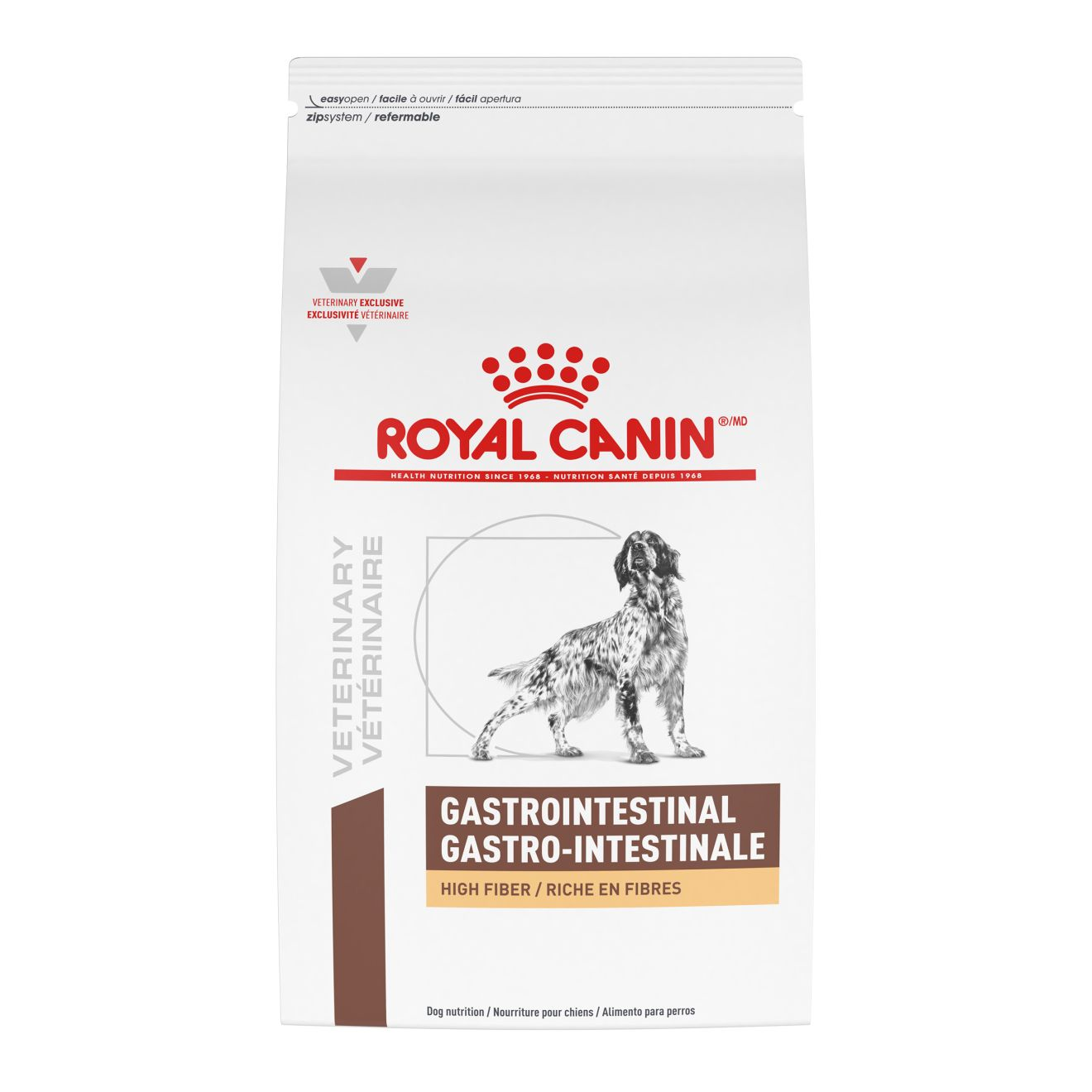
by Royal Canin
Overall Score: 47/100
Ingredients
- Chicken by-product meal (protein)
- brewers rice (carbohydrate)
- pea fiber (fiber)
- chicken fat (protein)
- wheat (carbohydrate)
- corn (carbohydrate)
- powdered cellulose (fiber)
- natural flavors (additive)
- wheat gluten (carbohydrate)
- corn protein meal (other)
- dried plain beet pulp (fiber)
- vegetable oil (other)
- powdered psyllium seed husk (other)
- sodium aluminosilicate (other)
- potassium chloride (mineral)
- salt (mineral)
- fish oil (protein)
- calcium carbonate (mineral)
- monocalcium phosphate (other)
- fructooligosaccharides (other)
- DL-methionine (other)
- marine microalgae oil (other)
- hydrolyzed yeast (other)
- vitamins[L-ascorbyl-2-polyphosphate (source of vitamin C) (other)
- DL-alpha tocopherol acetate (source of vitamin E) (other)
- biotin (vitamin)
- D-calcium pantothenate (other)
- vitamin A acetate (vitamin)
- riboflavin supplement (vitamin)
- niacin supplement (vitamin)
- vitamin B12 supplement (vitamin)
- pyridoxine hydrochloride (vitamin B6) (other)
- thiamine mononitrate (vitamin B1) (other)
- vitamin D3 supplement (vitamin)
- folic acid] (other)
- choline chloride (vitamin)
- L-lysine (other)
- taurine (additive)
- trace minerals[zinc proteinate (other)
- zinc oxide (other)
- ferrous sulfate (mineral)
- manganese proteinate (mineral)
- manganous oxide (other)
- copper sulfate (other)
- sodium selenite (mineral)
- calcium iodate (mineral)
- copper proteinate] (other)
- marigold extract (Tagetes erecta L.) (other)
- rosemary extract (preservative)
- preserved with mixed tocopherols and citric acid (other)
Ingredient concerns
- Chicken By-Product Meal (medium concern): While nutritionally adequate, by-product meals can vary widely in quality and digestibility. They include parts like necks, feet, and intestines, which some consumers find objectionable. Quality control is less consistent than named muscle meat sources.
- Wheat (medium concern): Wheat is a common allergen in dogs and cats. While it provides digestible carbohydrates and some protein, it is frequently used as an inexpensive filler. Pets with wheat sensitivities may experience skin irritation, gastrointestinal upset, or chronic ear infections.
- Corn (medium concern): Corn is one of the most common allergens in dogs, though true corn allergies are relatively rare compared to protein allergies. Often used as an inexpensive filler to increase bulk. While it does provide digestible carbohydrates, its prominence in ingredient lists (especially as multiple corn-derived ingredients) can indicate a lower-quality formulation.
- Wheat Gluten (medium concern): Like corn gluten meal, wheat gluten serves as an inexpensive plant protein that inflates the total protein percentage. It was also at the center of the 2007 pet food recall when melamine-contaminated wheat gluten from China caused widespread kidney failure in pets.
- Sodium Selenite (low concern): Sodium selenite is an inorganic form of selenium with a narrower safety margin than organic forms (such as selenium yeast). It has lower bioavailability and higher potential for toxicity at elevated levels compared to organic selenium sources. Some premium pet foods use selenium yeast instead as a safer alternative.
Guaranteed analysis (dry-matter basis)
On a dry-matter basis (water removed for a fair wet-vs-dry comparison): protein 22.2%, fat 5.6%, fiber 0%, ash 7.5%, carbohydrate 64.7%. By calories: 22.1% from protein, 13.5% from fat, 64.4% from carbohydrate.
AAFCO compliance
This food meets the AAFCO adult dog nutrient minimums we can verify — protein 22.2% vs 18% minimum, fat 5.6% vs 5.5% minimum.
Dry food, with grains, for the adult life stage.
Similar products
- Royal Canin Canine Health Nutrition Loaf in Sauce Puppy Dog Wet Food - 5.2 oz — 98/100
- Royal Canin Canine Health Nutrition Puppy Dog Wet Food - 13.5 oz — 98/100
- Royal Canin Canine Care Nutrition Digestive Care Adult Wet Dog Food - 13.5 oz — 96/100
- Royal Canin Veterinary Diet Selected Protein PR Adult Wet Dog Food - Loaf, 13.5 OZ — 95/100
- Royal Canin Veterinary Diet Selected Protein PD Adult Wet Dog Food - Loaf, 13.5 OZ — 95/100
As an Amazon Associate, KibbleWatcher earns from qualifying purchases at no cost to you. Our scoring is independent of any affiliate revenue.